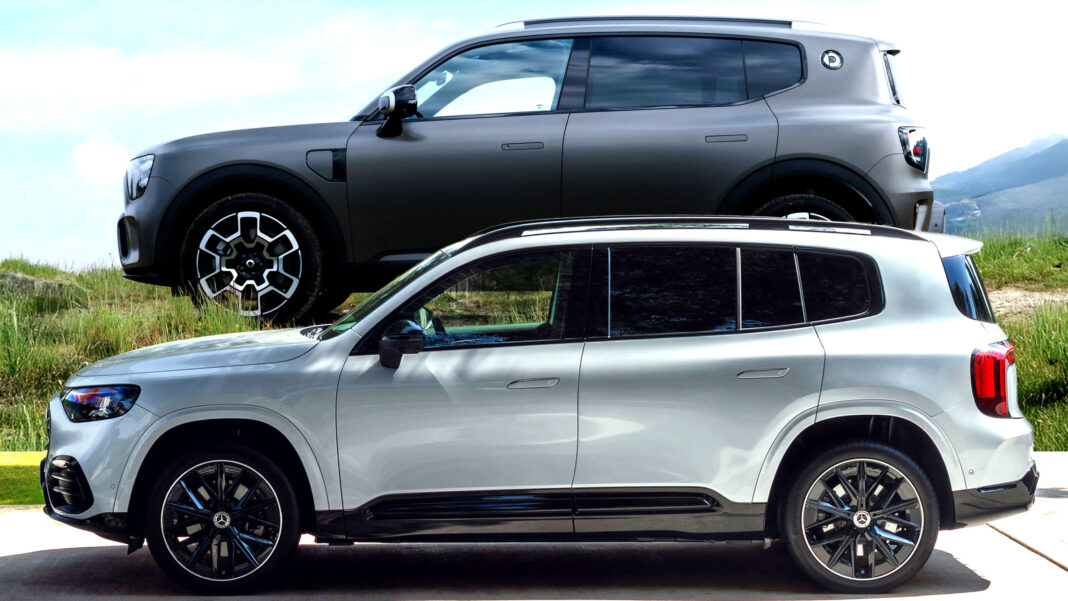

- Mercedes GLB closely resembles the Smart #5 from some angles.
- Both boxy SUVs were designed under Gorden Wagener’s guidance.
- Despite similarities, they ride on entirely different platforms.
The latest generation of the Mercedes GLB has arrived, bringing sharper looks, upgraded tech, and a new multi-energy platform to the table. At the same time, more than a few of you have noticed something else: the SUV bears more than a passing resemblance to the Smart #5, enough to raise questions about whether these two are more closely related than Mercedes might prefer to acknowledge.
See: New Mercedes GLB Ditches Gas For Now, Adds AI And A Very Strange Rear End
That suspicion isn’t entirely unfounded. After all, both models were penned under the same design roof. But beyond the shared styling cues, the connection stops there. They ride on different platforms, have distinct drivetrains, and share no components. Even so, the visual overlap makes a deeper comparison hard to resist.
QUICK FACTS
The Smart #5 landed in 2024 as the largest model in the brand’s lineup, a distinction it will soon lose to the upcoming #6 sedan we showed you earlier today.
While the exterior design came from Mercedes, which holds a 50% stake in the Smart joint venture, the engineering was handled by Geely, the other half of the partnership. Built on Geely’s SEA platform, the Smart #5 is offered in both fully electric and range-extender versions.
More: Mercedes Bets Big On More SUVs And V8s To Win Back America’s Luxury Crown
The second-generation GLB, on the other hand, sits on Mercedes’ MMA platform, which it shares with the latest CLA. It will be offered in both electric and mild-hybrid forms, reflecting Mercedes’ shift toward more flexible drivetrain options.
This divergence in architecture leads to clear differences in powertrain and output. The Smart #5 edges ahead in raw performance, especially in its Brabus trim, which remains the most powerful of the two. Mercedes hasn’t revealed an AMG variant of the new GLB yet, leaving a gap in the performance lineup for now.
How Do They Compare In Size?
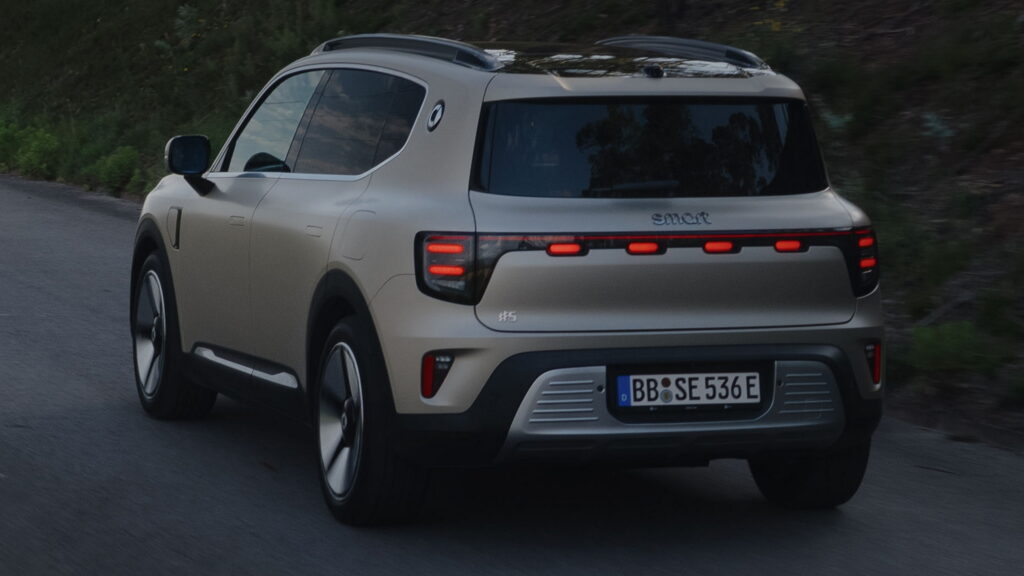
In terms of footprint, the Mercedes is slightly longer by 37 mm (1.5 inches), but its wheelbase is 11 mm (0.4 inches) shorter. It’s also the only one of the pair to offer seven seats, while the Smart opts for a five-seat layout with a focus on maximizing rear legroom and cargo space.
More: Smart’s New #5 Compact SUV Isn’t Coming To The US And That’s A Mistake
Visually, there’s no denying the family resemblance. Common styling cues include the boxy silhouette softened by rounded edges, the similar greenhouse profile, the strong D-pillars, and the upright tail. Even the full-width taillights follow the same outline, though each brand uses its own LED signature.
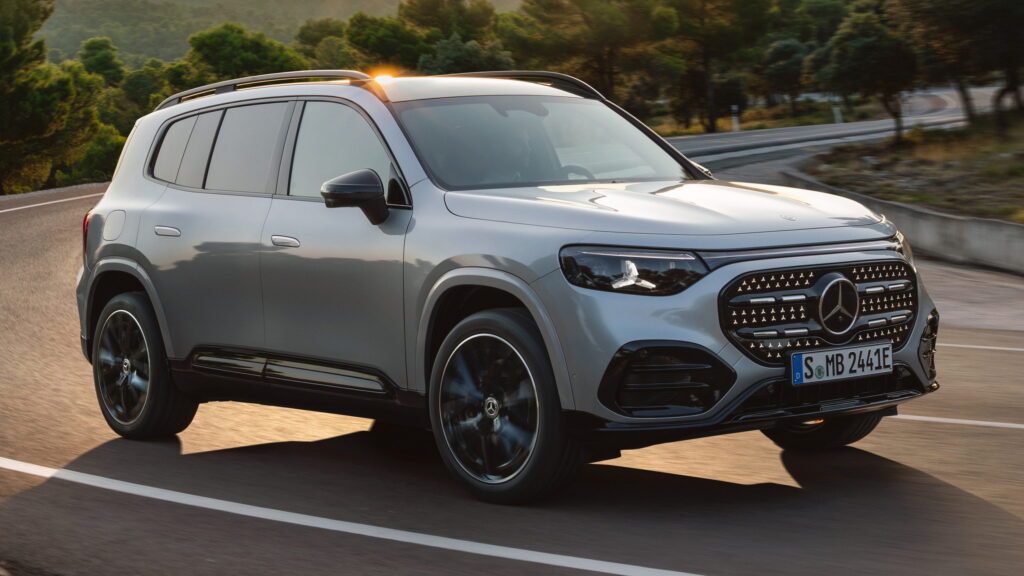
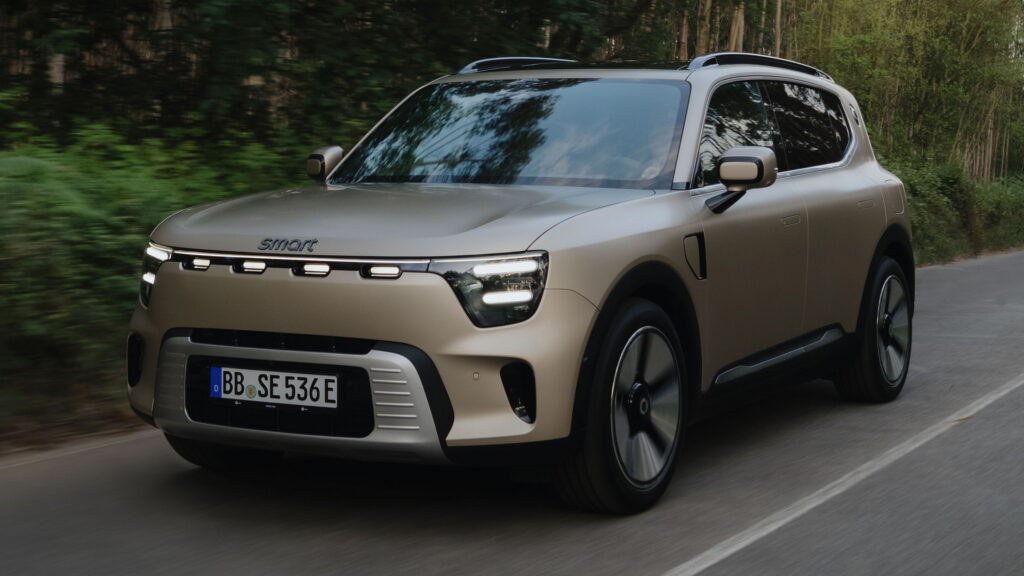
Up front, the Mercedes sets itself apart with a larger grille, which to be frank, comes across as something of an afterthought, looking disconnected from the rest of the design. The Smart, by contrast, places more visual weight on its lower bumper intake, which also functions as a skid plate.
Once again, the headlights follow a similar format with a connecting LED bar, although only one of them gets the signature starry treatment.
More: Smart’s First Ever Sedan Is Much Bigger Than You Think
Other exterior differences emerge on a second pass of the eye. For example, the GLB’s wheel arches are more squared off, and the Smart sports unique mirror housings.
Shared Design Language Inside Too
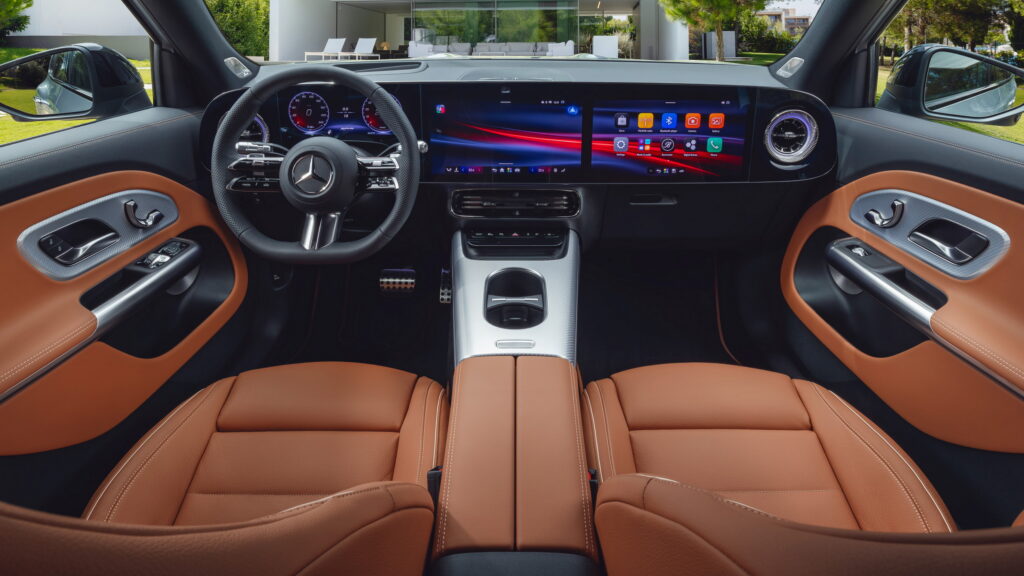
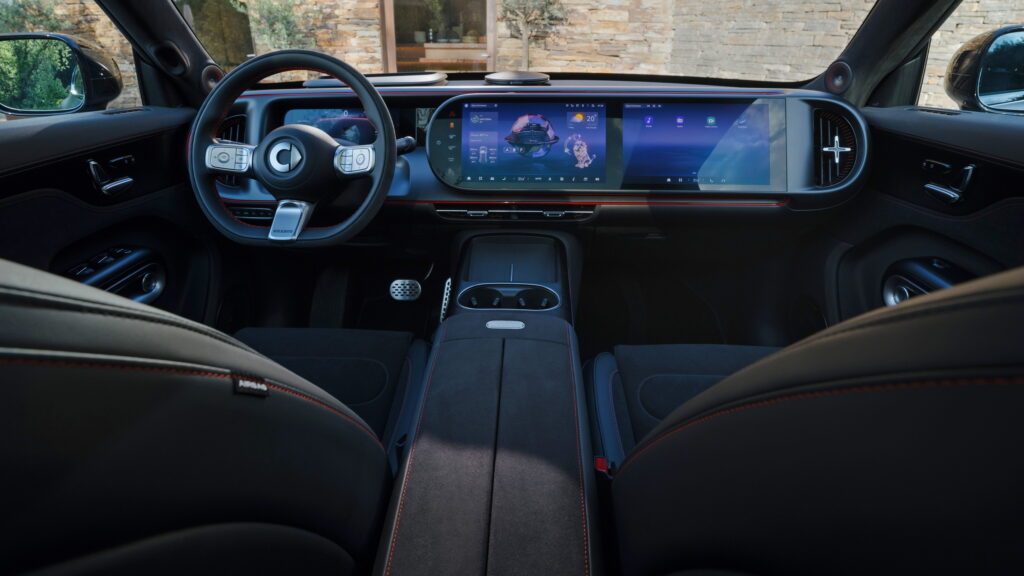
Inside, the dashboard follows the same overarching design principles, though the hardware tells a different story. Both models feature a triple-screen layout with a 10.25-inch digital instrument cluster.
The infotainment and passenger displays, however, diverge, measuring 14 inches in the Mercedes and 13 inches in the Smart, where they’re housed together in an oval-shaped panel.
The climate vents, center console, cup holders, door cards, and controls are also different but in reality no one would really notice if you swapped them from one to the other model.
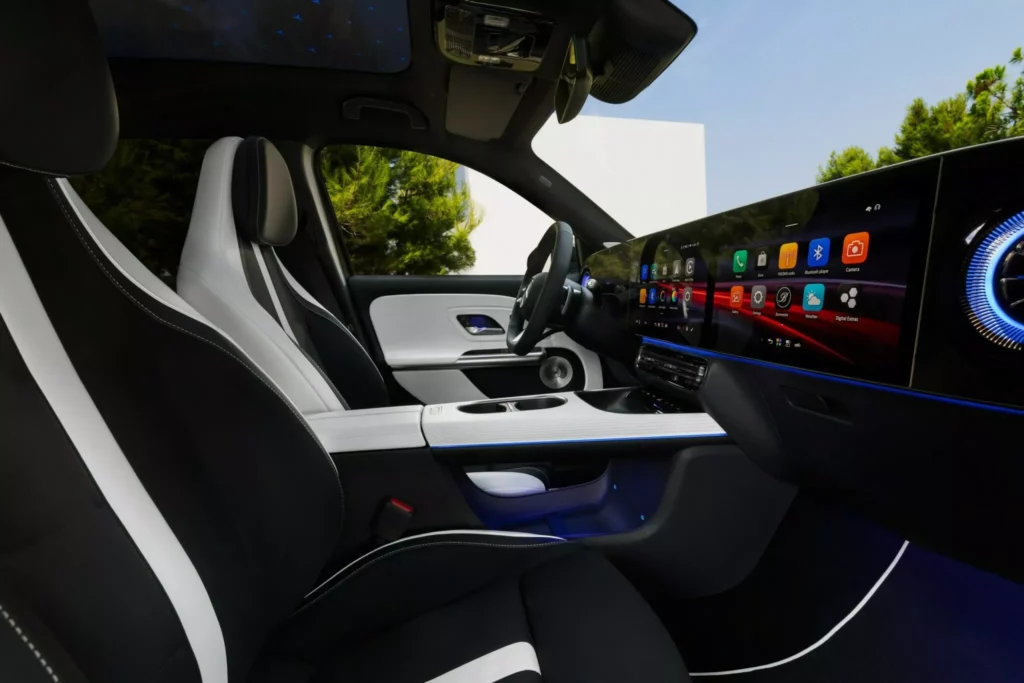
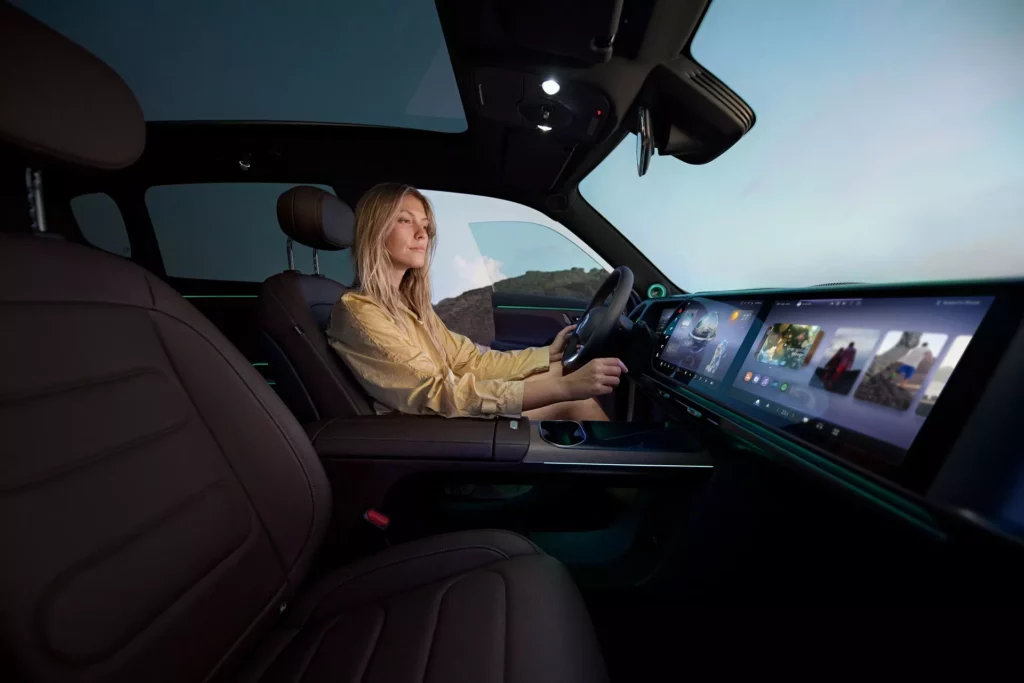
Even the steering wheels share a familiar shape, though the Mercedes version features dual spokes that help distinguish it. Seating is one of the few areas where they clearly diverge, with the GLB offering a three-row layout and the Smart sticking with two.
One Head Designer, Two Outcomes
Much of the resemblance can be traced back to Gorden Wagener, the Chief Design Officer responsible for all Mercedes Group products. With oversight of both Mercedes and Smart styling, his hand in shaping the family look is undeniable.
Given the large design teams contributing to both projects, the overlap likely stems from deliberate strategic alignment rather than any shortage of creativity.
More: Mercedes Built An EV That Pretends To Growl And Brad Pitt’s Selling It
So, will buyers see them as too similar, or will the distinct badges and mechanical underpinnings be enough to set them apart in the eyes of the market? Head to the comments below and let us know what you think.